Hot Water Slab Leak in Kuna: Causes and Fixes
A hot water slab leak in Kuna usually shows up as a warm patch on the floor and a water heater that seems to run all the time. A local pro tests the hot line first, locates the leak and explains the repair options.
Call before it gets worse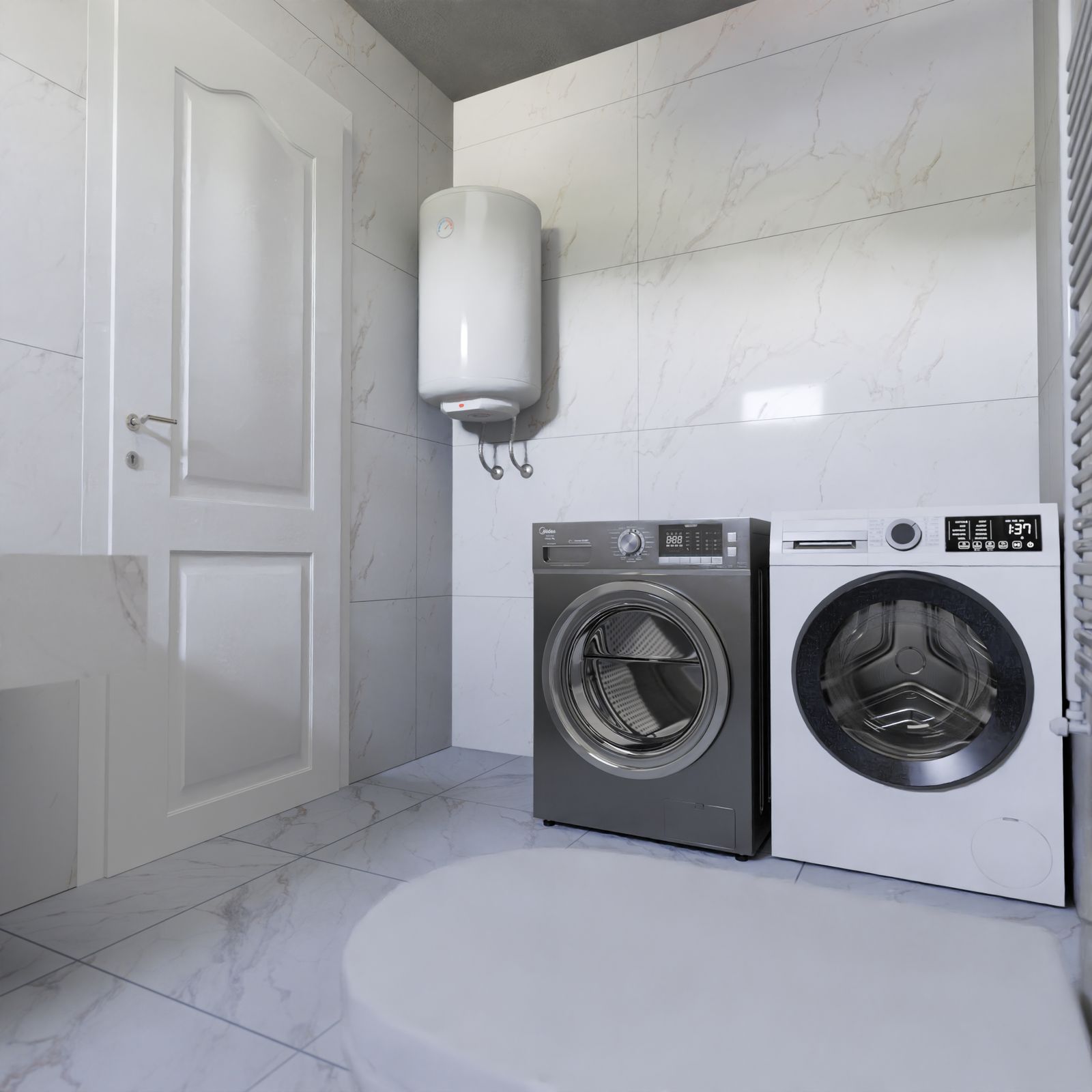
In short
- 1Warm floor and a busy water heater point to the hot side
- 2The hot line is tested separately from the cold line
- 3Repair options include spot repair, reroute or repipe
Hot water leak under slab: why hot lines leak more often
Hot water pipes expand when they heat and contract when they cool, many times a day. Over years, that movement stresses joints and the pipe wall. Under a slab, the pipe also has concrete around it, which limits how much it can move.
None of this is a rule. Plenty of hot lines last a long time. It is a general reason hot-side leaks are among the more common slab leaks, and why the tech checks the hot side first when the signs point there.
Why a warm spot on the floor points to the hot side
Hot water escaping under the slab warms the concrete above it. That warmth reaches the flooring, and you feel it as a patch that is warmer than the rest of the room. Tile and laminate show it most clearly, and carpet hides it better.
Pets often find the spot before people do, because animals seek warm places. If your dog or cat keeps settling on one patch of floor, check it by hand.

Water heater always running: what it can mean
A water heater cycles on to keep a tank hot. When hot water is leaking, the tank keeps refilling with cold water and heating it again. The result is a heater that runs far more than your usage would explain, and an energy bill that reflects it.
A busy heater alone does not prove a leak. Settings, age and sediment can cause the same behavior. Together with a warm floor or a moving meter, it is a strong reason for a call. The signs of slab leak guide lists the other clues.
Temporary steps while waiting
You can slow a hot-side leak while you wait for a tech. Closing the cold supply valve on top of the water heater stops new water from feeding the tank, which reduces the flow to the leak. Leave the gas and electrical controls on the heater alone.
If water is surfacing in the home, close the main shut-off. Do the meter test and write down what you see so the tech can start with that information.
Hot water slab leak repair options
Once the leak is located, the tech goes through the choices. A single failed spot can be fixed through the floor. If the hot line has leaked before, rerouting it through the attic may suit better, and a house with several leaks may point to a repipe.
The tech prices each option before any work begins, and you choose. If you plan to file with your insurer, ask the pro to document the findings first.
Hot water slab leak in Kuna: what to tell the person on the phone
A few details help the tech plan before arriving. They take under a minute to give.
- Where the floor is warm, and how large the patch is
- Whether the water heater seems to run more than usual
- What the meter did with everything off
- Whether the home is on a slab or a crawlspace
- Whether a leak or a repair has happened before
With those answers, the tech arrives knowing to start on the hot line. If you have already closed the cold supply valve on the water heater, mention it, so the tech knows what state the system is in.
Hot water slab leak in Kuna homes
Older copper under older Kuna floors is a typical place for hot-line leaks, as described in slab leak repair in Downtown Kuna. A mix of foundation types in town means the tech checks which you have before choosing tools.
Out on acreage, a water heater may be far from the fixtures it serves, which makes the hot line long and hard to trace by hand. slab leak repair in Rural Kuna explains how techs approach longer runs.
If the leak affects hot water bills, you might wonder how your insurer sees it. The page on slab leak insurance covers what to ask.
Hot water slab leak questions in Kuna
Hot water escaping from a pipe beneath that spot is a common cause. Pets sometimes lead you to it. A tech confirms by testing the hot line rather than by guessing.
A leak makes the tank refill with cold water that has to be heated again. Settings, age and sediment can also cause this, so the tech checks the heater and the lines.
It wastes water and energy and can damage flooring. The answer to any leak is to call a pro. Do not touch gas or electrical controls on the heater.
Closing the cold supply valve on top of the water heater stops new water from refilling the tank and can slow the leak. It does not isolate the leak entirely. Leave gas and electrical controls alone.
The tech isolates the hot line, pressure-tests it and then uses thermal imaging and acoustic listening to place the leak. Hot leaks are easier to see on thermal imaging than cold ones.
Often yes. A reroute through the attic or walls retires the leaking hot line and leaves the cold line in place if it tests sound. The tech tests both before recommending it.
A leak makes the water heater work harder, and that can show up on energy bills. A bill that rises while nothing else has changed is worth mentioning on the call.
Sooner is better, because water keeps escaping and flooring can be damaged. Calls are answered 24/7, and same-day dispatch is available where possible.
Get help with a hot water slab leak in Kuna
A warm floor spot or a heater that never stops is worth a call. A local pro will test the hot line first and explain the fix.