Slab Leak Reroute: Abandoning the Under-Slab Line in Kuna
A slab leak reroute in Kuna retires the leaking line under your floor and runs a new one overhead or through the walls. The old line is capped and left in the ground, so that run never needs the slab opened again.
Check availability in Kuna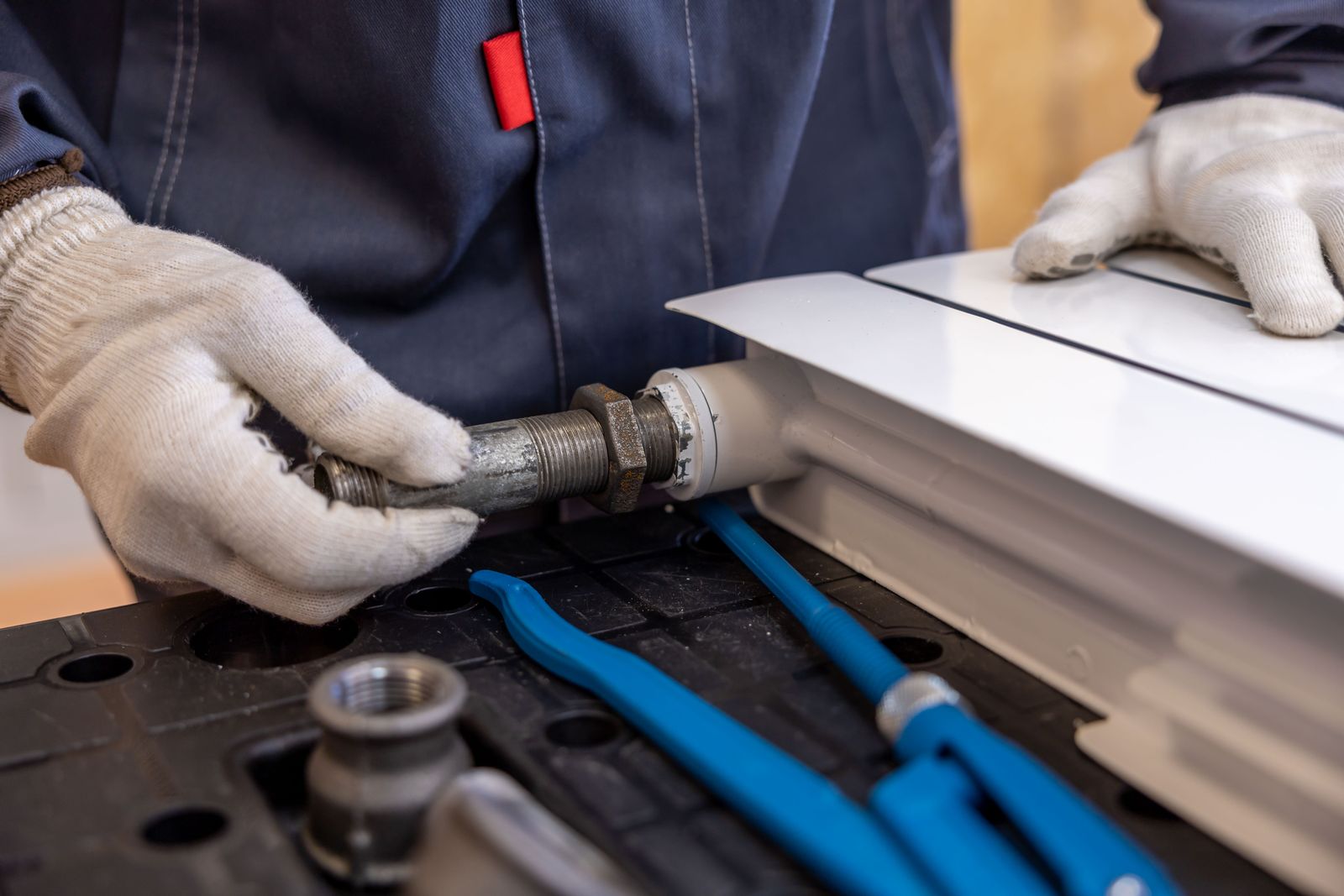
In short
- 1The leaking under-slab line is capped and abandoned
- 2New pipe runs through the attic or the walls
- 3The floor stays closed; drywall is opened and patched instead
Slab leak reroute: what it is and what it replaces
A reroute does not repair the leaking pipe. It stops using it. The crew caps the line where it leaves the system and installs a new one that serves the same fixtures by a different route.
The old pipe stays buried and out of service. The new one runs where it can be reached, so any future problem is a wall or attic job and not a floor job.
Pipe reroute through the attic or the walls
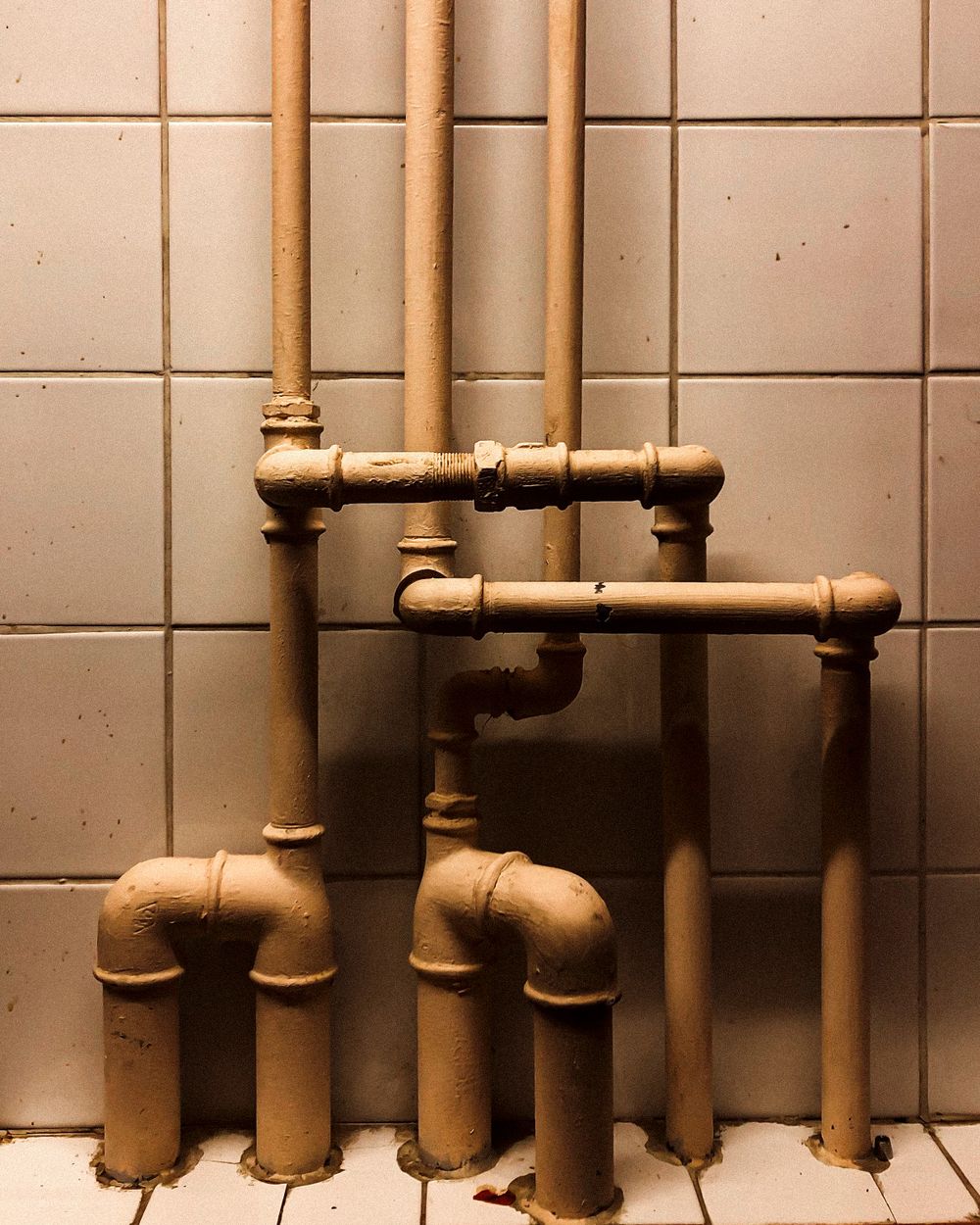
In a slab home the new line usually rises into the walls and travels across the attic, then drops to each fixture. Hot and cold lines may take different routes depending on where the leak was.
Pipe is chosen for the job. PEX is common because it bends around corners and needs fewer fittings, and copper is also used. The tech explains the pipe and routing at the quote, and you can ask why each choice was made.
Why slab leak rerouting avoids future floor openings
Opening a slab for the same line twice is the problem a reroute is built to solve. After the first leak, the rest of a worn line is often the weak part. A second repair at a different spot repeats the same cost and disruption.
Moving the supply overhead takes that line out of the concrete for good. It does not promise that no plumbing problem will ever happen again, but it does take the slab out of the equation for the rerouted line.
When to reroute a water line after a slab leak
Reroute becomes the stronger choice when the same line has leaked before, when the pipe looks worn, or when the leak sits under something costly to open, such as a long run of tile. A single leak on a healthy line is usually a candidate for slab leak repair instead.
A quick comparison helps:
| Spot repair | Reroute | |
|---|---|---|
| Where work happens | Floor, at the leak | Walls and attic |
| Old pipe | Stays in use | Capped and abandoned |
| Fits when | One leak on a sound line | Repeat leaks or worn pipe |
| Patching | Concrete and flooring | Drywall and paint |
Drywall access and patching
A reroute opens walls, usually in small sections where the pipe rises or drops, and the attic carries the long runs. The crew patches drywall afterward. Paint and texture matching is typically a separate trade, so ask what is included before work begins.
Tell the person on the phone about finishes you want protected. Furniture is moved, floors are covered, and the crew tries to keep access holes in places that are easy to repair and easy to hide.
Slab leak reroute in Kuna: questions to ask before work begins
A reroute changes how the house is plumbed, so it is worth asking a few things before you agree. The answers help you compare quotes and avoid surprises.
- Which line is being abandoned, and where does the new line start and end?
- What pipe will be used, and why that choice?
- Which walls will be opened, and who patches them?
- Will the capped line stay in the slab, and is that noted in writing?
- What is the plan if the attic is hard to reach in one spot?
A good tech answers these without hurry and can mark the planned route on a sketch. If the answer to any of them is vague, ask again. You are the one living with the walls afterward.
Also ask how the new line connects to the rest of the system. A reroute that serves only some fixtures needs a clean tie-in, and the tech should explain where that happens and how it is tested.
Slab leak reroute in Kuna homes
Homes in the newer, growing parts of Kuna often have attics that are easy to work in, which suits this job. slab leak repair in South Kuna describes how new streets and open ground affect what the tech finds on site.
In neighborhoods with a lot of newer building, such as the ones in slab leak repair in North Kuna, the foundation type changes the answer. Crawlspace homes can often move lines below the floor without a reroute through the attic at all.
If a reroute covers only the hot side, ask the tech about the hot line and its effect on the rest of the system. The page on hot water slab leak covers that, and the page on repipe after slab leak covers going further.
Slab leak reroute questions in Kuna
It is a plumbing change that stops using the leaking under-slab line and supplies the same fixtures with a new line through walls and the attic. The old pipe is capped and left in place.
It depends on the line. A single leak on a healthy pipe is often a candidate for spot repair. Repeat leaks or worn pipe make a reroute more attractive. The tech lays out both with pricing.
Typically up into the walls and across the attic, then down to each fixture. The tech picks routes that are accessible and keep wall openings small.
Yes, in small sections where lines rise and drop. The crew patches drywall afterward. Paint and texture are often handled separately, so ask what is included.
It depends on how many fixtures the line serves, the layout and the attic access. The tech gives a realistic schedule with the quote.
Pressure depends on pipe size, route length and the rest of the system. A properly planned reroute is designed to serve the fixtures well. Raise any pressure complaints on the call.
Often yes, if the leak is on the hot side and the cold line tests sound. The tech tests both lines and recommends accordingly.
Requirements depend on the scope of work and who performs it. The pro explains what applies to your job before starting, and you can ask about it on the call.
Plan a slab leak reroute in Kuna
Ask whether a reroute makes sense for your line. A local pro will test the system, explain the routes and price the work before anything is cut.